English
 Nederlands
 German
 Français

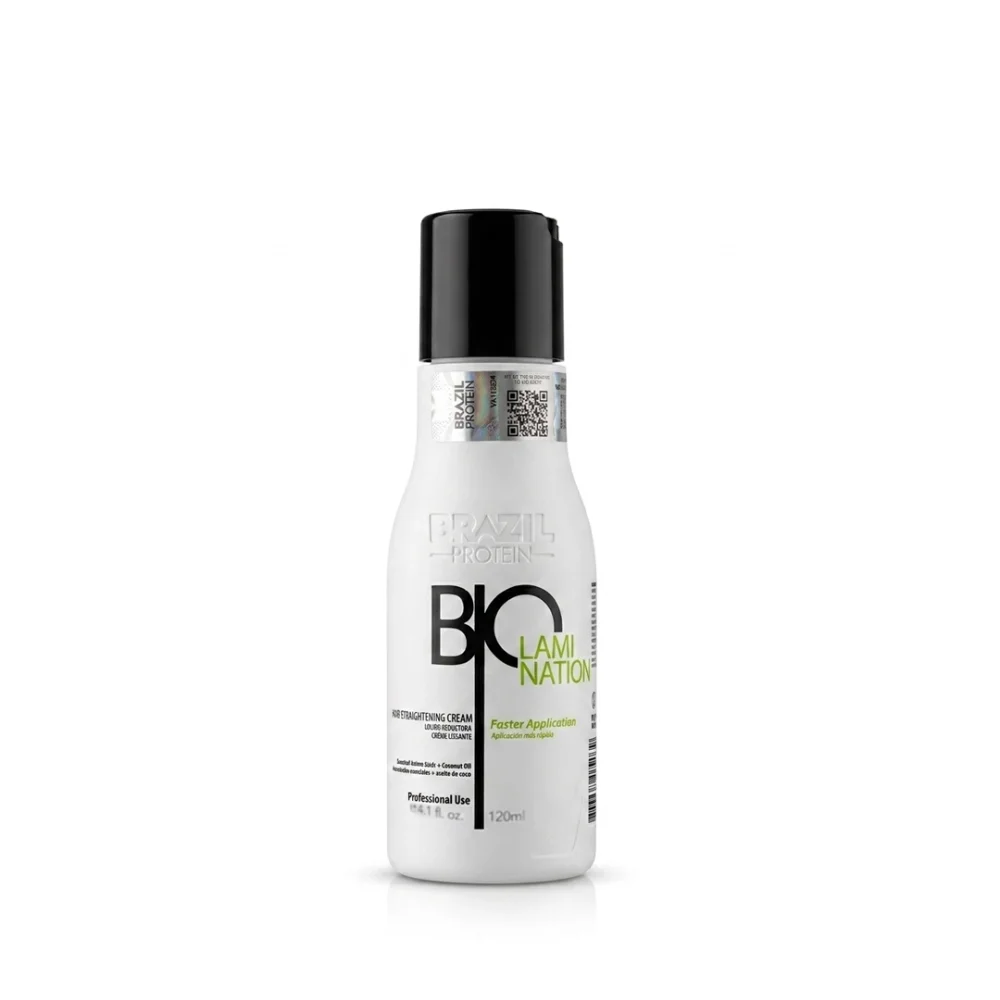
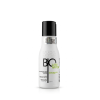
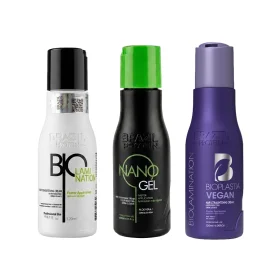
Brazil Protein Bio Lamination Straightening Cream 120 ml is a professional smoothing cream for coarse, resistant and curly to afro-textured hair, worked behind the chair to relax frizz and bring down volume. The one thing that sets it apart is the reducer: cysteamine and cysteine, activated by malic acid, instead of glyoxylic acid or formaldehyde. It processes in 10 to 50 minutes depending on hair type, and the ingredient list is built around coconut oil and essential amino acids. The 120 ml bottle is the small format: for a single service, short hair, a mobile kit, or a first trial of the system. The same cream is stocked in 300 ml and 1 L.
- What it is: Professional hair straightening cream, one bottle, no mixing
- Hair type: Coarse, resistant, curly to afro-textured
- Reducer: Cysteamine HCl and cysteine HCl, activated by malic acid
- Worked without: Glyoxylic acid, formaldehyde and formaldehyde releasers
- Processing time: 10 to 50 minutes, depending on hair type
- Sealing temperature: 204 C / 400 F on thin strands
- Format: 120 ml professional bottle, also 300 ml and 1 L
Why a cysteamine smoothing cream
Coarse, resistant and curly hair holds its shape because of the bonds inside the fibre. Bio Lamination relaxes those bonds with an amino-acid reducer, cysteamine and cysteine, brought to working pH by malic acid, third on the ingredient list. It smooths without glyoxylic acid and without formaldehyde or any releasing preservative. Glyoxylic acid is under growing regulatory pressure in the EU, and formaldehyde is why smoothing services long carried a health question mark. Brazil Protein badges the cream Faster Application; the figure on the label is the 10 to 50 minute window, with fine or porous hair at the 10 minute end. You still section, comb the cream through and seal with a flat iron, so you keep control over how much frizz and volume you take out.
Key ingredients
- Cysteamine HCl and cysteine HCl: the amino-acid reducer, fourth on the ingredient list, that relaxes the bond structure so the hair can be ironed straighter.
- Malic acid: the fruit acid, third on the list, that brings the reducer to working pH.
- Coconut oil: conditions the fibre through processing, and why the pack leads on coconut.
- Babassu and murumuru: Amazonian butters and oils that keep the hair supple rather than straw-dry after ironing.
- Essential amino acids: arginine, glycine, serine, proline and threonine, giving the cream its protein side.
- Hydrolyzed corn protein and linseed oil: plant-derived conditioning agents, with onion bulb extract.
What to expect
Hair comes out smoother, flatter and easier to blow-dry, with frizz reduced and movement kept natural. How straight it goes is in your hands: the 10 to 50 minute window is the lever, the shorter end for fine or porous hair, the longer end for coarse, virgin textures. The drop in bulk is most obvious on the coarsest sections; the hairline softens rather than goes poker-straight. It is a professional smoothing service, not a permanent relaxer. On previously treated or very porous hair, SOS Protein Mask first helps the fibre take the service more evenly.
Who it is for
- Coarse, resistant or wiry hair that needs real volume reduction
- Curly to afro-textured hair smoothed for manageability
- Frizzy hair where a softer, natural finish is the goal
- Clients moving away from glyoxylic-acid or formaldehyde services
- Stylists trying the system on one client, working short hair, or packing a mobile kit
Who it is not for
- Fine or fragile hair that does not need heavy reduction
- Home users: the pack is marked professional use
- Anyone sensitive to amyl cinnamal or linalool, both declared
- Busy columns: work out of a small bowl and keep it covered, sized for one head
Professional tip
The 10 to 50 minute range is where the service is won or lost, so let the strand test set the time, not the clock. On a 120 ml bottle, decant what the head needs and cap it again straight away: a small bottle left open at the station is the one that dries at the neck. Keep your sections thin and your comb clean so the cream sits evenly from mid-length to ends, and hold the 1 cm gap at the root consistently, since that margin is what keeps the product off the scalp.
How to use
Two ways to work this cream, both set out in full: the manufacturer's protocol exactly as it is written on the bottle, and the Brazilian salon method most stylists use in the chair, with this cream's own figures built into it.
Method A: Manufacturer method
- Perform a strand test before application.
- Working on damp hair, apply the product strand by strand, 1 cm (0.5 inches) away from the root.
- Leave it on for 10 to 50 minutes, depending on the hair type.
- Rinse.
- Dry.
- Flat-iron thin strands until the strands are sealed, at an average temperature of 204 C / 400 F.
Method B: The Brazilian method
- Strand test. Always start here: it sets your timing inside the 10 to 50 minute window.
- Clarify. Salon practice on virgin, coarse or product-heavy hair: wash with an anti-residue shampoo, work to a full lather, leave three to five minutes, rinse well and repeat until the hair feels genuinely clean. This is craft, not a step printed on this bottle.
- Damp, not soaking. Towel-dry so the hair is damp: this cream is applied to damp hair, not bone-dry.
- Section. Split into four to six even sections and clip them up.
- Apply. Strand by strand, 1 cm from the root. Work it in with a brush, then comb root to tip with a fine-tooth comb so every strand is coated and nothing pools at the roots.
- Process 10 to 50 minutes. Fine or porous hair sits at the short end; coarse, resistant or virgin hair at the long end. Watch the hair, not the clock.
- Rinse. Rinse the cream out before you dry: this formula is rinsed, not sealed in wet.
- Dry. Blow-dry completely and smooth, in thin sections, on medium heat.
- Seal at 204 C / 400 F. Flat-iron thin strands until each one is sealed, moving evenly root to tip. Take extra care around fine or previously lightened sections. As general Brazilian practice, virgin or resistant hair takes a hotter iron, around 210 to 249 C (410 to 480 F), while bleached, blonde or fragile hair is sealed cooler, around 150 to 170 C (300 to 340 F), with a heat protectant, judged on the strand test.
- Aftercare. Salon practice: keep the hair down and loose, and move the client onto sulfate-free home care so the smoothing is not stripped back. This bottle does not print a no-wash window.
Where it fits in the Brazil Protein range
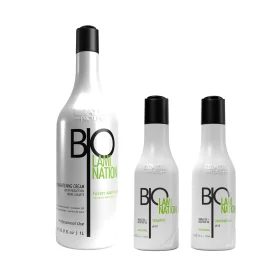
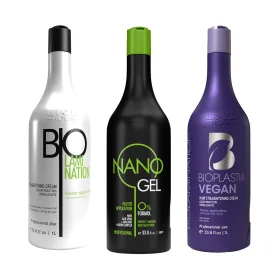
Bio Lamination Straightening Cream is the service itself, the step you charge for, in the same cream as the 300 ml station bottle; send the client home with the Brazil Protein Bio Lamination Home Care Duo to keep the result soft between appointments. If a client needs a different route, the Brazil Protein Nano Gel Straightening Cream and Brazil Protein Bioplastia Vegan Straightening Cream run on the same cysteamine chemistry, and Brazil Protein SOS Protein Mask is the reconstruction step for hair that needs rebuilding before or after a service.
In short
- Professional straightening cream for coarse, resistant and curly to afro-textured hair.
- Cysteamine and cysteine reducer with malic acid, no glyoxylic acid or formaldehyde.
- 10 to 50 minutes processing, sealed at 204 C / 400 F.
- 120 ml small format; also in 300 ml and 1 L, maintained with the Bio Lamination Home Care Duo.
Complete and maintain the system
- Bio Lamination Home Care Duo: shampoo and conditioner mask to keep the result soft at home
- Brazil Protein Nano Gel Straightening Cream 1 L: same cysteamine chemistry in a one-step gel
- Brazil Protein Bioplastia Vegan Straightening Cream 1 L: a further smoothing option on the same reducer
- Brazil Protein SOS Protein Mask 500 g: reconstruction step for hair that needs rebuilding
Tools for the service
- XanitaliaPro Delrin POM Comb 21 cm: fine and medium teeth for combing the cream root to tip
- XanitaliaPro Basic Salon Brush: for working the cream in at the roots, strand by strand
- XanitaliaPro Graduated Bowl 450 ml: anti-slip, graduated, to decant and hold the cream at the station
- Lizze Extreme Titanium Straightener: titanium plates to 250 C, covering the 204 C this cream is sealed at
Frequently asked questions
How long do I leave Bio Lamination on?
Between 10 and 50 minutes, depending on the hair type. Fine or porous hair sits at the short end of that range and coarse, resistant or virgin hair at the long end. A strand test before the service is what tells you where in the window that particular head belongs.
What temperature do I seal it at?
An average of 204 C / 400 F, ironing thin strands until each strand is sealed. Rinse and dry the hair first: this cream is rinsed out before the iron rather than sealed in wet. Work more carefully over fine or previously lightened sections.
Does it contain formaldehyde or glyoxylic acid?
No. The ingredient list carries no formaldehyde, no formaldehyde-releasing preservative and no glyoxylic acid. The smoothing comes from cysteamine and cysteine, activated by malic acid, which is a different route to the same job. That matters because those are the two chemistries salons are actively moving away from.
What hair types is it for?
It is built for coarse, resistant and curly to afro-textured hair that needs real frizz and volume reduction. You control how straight it goes with your processing time and your ironing, so it can give a softer, natural finish or a flatter, sleeker one depending on the client.
Can I use it on coloured or bleached hair?
Coloured and lightened hair is more porous, so a strand test is essential and it will usually place you at the shorter end of the 10 to 50 minute window. Assess the condition first and, on compromised hair, consider a reconstruction step such as SOS Protein Mask before deciding to proceed.
Is it vegan, and does it contain allergens?
The protein in it is hydrolyzed corn, and no animal-derived ingredient appears on the list, but the formula is not certified vegan so we do not label it as such. The pack declares two fragrance allergens: amyl cinnamal and linalool.
Is 120 ml enough for a full head?
That depends on length and density, and no yield per head is printed on the pack, so we will not quote one. In practice the 120 ml is treated as a single-service or short-hair bottle, and as the size to trial the system with. For regular column work, order the 300 ml or the 1 L.
Need help with your order? Visit our customer service center and online shopping FAQ for delivery, payment and returns.
Brazil Protein Bio Lamination Straightening Cream 120 ml