 English
 Nederlands
 German
 Français


Cysteamine hair smoothing explained
A cysteamine smoothing is a salon service in which cysteamine HCl is the reducer, and the directions close the service with the flat iron. On the three systems we carry, Bio Lamination, Nano Gel and Bioplastia Vegan, there is no formaldehyde and no glyoxylic acid on the printed ingredient list.
This page explains the technology: which molecule does the work and which does not, what happens inside the fibre, which three systems Brazil Protein builds on it, and where their protocols part company. The chemistry is backed by the sources at the foot of the page; the product figures come from the packs.
- What is a cysteamine smoothing?
- Cysteamine or cysteine: which of the two does the work?
- What does cysteamine actually do to the hair fibre?
- Which cysteamine systems are on the shelf?
- Where do the three protocols differ?
- Which system do you book for which question?
- What does a cysteamine smoothing not do?
What is a cysteamine smoothing?
A smoothing salon service in which cysteamine is the reducer. The reducer is the part of the formula that opens the bonds inside the hair; without one the shape of the hair does not change, however conditioning the rest of the tub is. In this technology that reducer is cysteamine HCl, in company with cysteine HCl.
The word smoothing covers a wide field. What decides the service is which reducer the pack names, not the word on the front: our shelf carries several reducer routes, and cysteamine is one of them. Our comparison page puts them side by side. This page is about this one route only.
Cysteamine or cysteine: which of the two does the work?
The difference is one acid group. Cysteamine has the formula C2H7NS and the structure HS-CH2-CH2-NH2; cysteine has C3H7NO2S and HS-CH2-CH(NH2)-COOH [5]. Take the COOH group off cysteine and what is left is cysteamine, which is why the literature also lists cysteamine under the synonym decarboxycysteine.
That distinction is not pedantry, because the two play different parts. Cysteine is the amino acid whose side chains pair up inside keratin to form the disulphide bond: the bond in the hair is literally built out of two cysteines. Cysteamine is not a building block of hair at all but a reagent, a thiol that opens that bond. That it genuinely reduces hair has been measured and published [3].
On the ingredient list of the three Brazil Protein creams they are noted together, as cysteamine HCl and cysteine HCl. Where cysteamine sits differs per system, and the position says something: on Nano Gel and Bioplastia Vegan cysteamine is second on the list, on Bio Lamination fourth, with malic acid ahead of it in third. The product figures on this page come from the packs; the chemistry comes from the sources at the foot of the page.
What does cysteamine actually do to the hair fibre?
It reduces the disulphide bonds between the keratin chains, which is what turns the fibre workable. Changing the shape of hair requires changing exactly those bonds [2].
On that third step: in classic permanent waving the bonds are re-formed by an oxidising neutraliser, which fixes them in their new position [1]. The only published work we found on a cysteamine straightening system describes a system with both a neutralising conditioner carrying a low level of hydrogen peroxide and a heat step, and credits the heat with setting the style in place [4]. These three packs print no neutralising step, and that study was of a different product.
In practice that changes nothing about your hand at the iron: you decide at the strand how much curl comes out and how much stays, and the same cream gives a soft natural fall or a flat sleek one depending on how you press. It does change what you promise the client.
One more thing from the literature that explains the long processing windows: cysteamine reduces the disulphide bonds in hair more slowly than ammonium thioglycolate [3]. A window of 10 to 50 minutes, and at least 40 for the gel, is not excessive caution for this molecule. It is how it behaves.
Bio Lamination and Bioplastia Vegan go onto damp hair for 10 to 50 minutes, are rinsed and dried, and are ironed in thin strands at 204 C, 400 F. Nano Gel goes onto unwashed hair for at least 40 minutes; then the hair is wetted, excess water removed and dried. Its Dutch and Portuguese directions then name the flat iron.The directions printed on the packs
Which cysteamine systems are on the shelf?
Three, and they share the same reducer. What differs is the base, the acids on the list and the protocol.
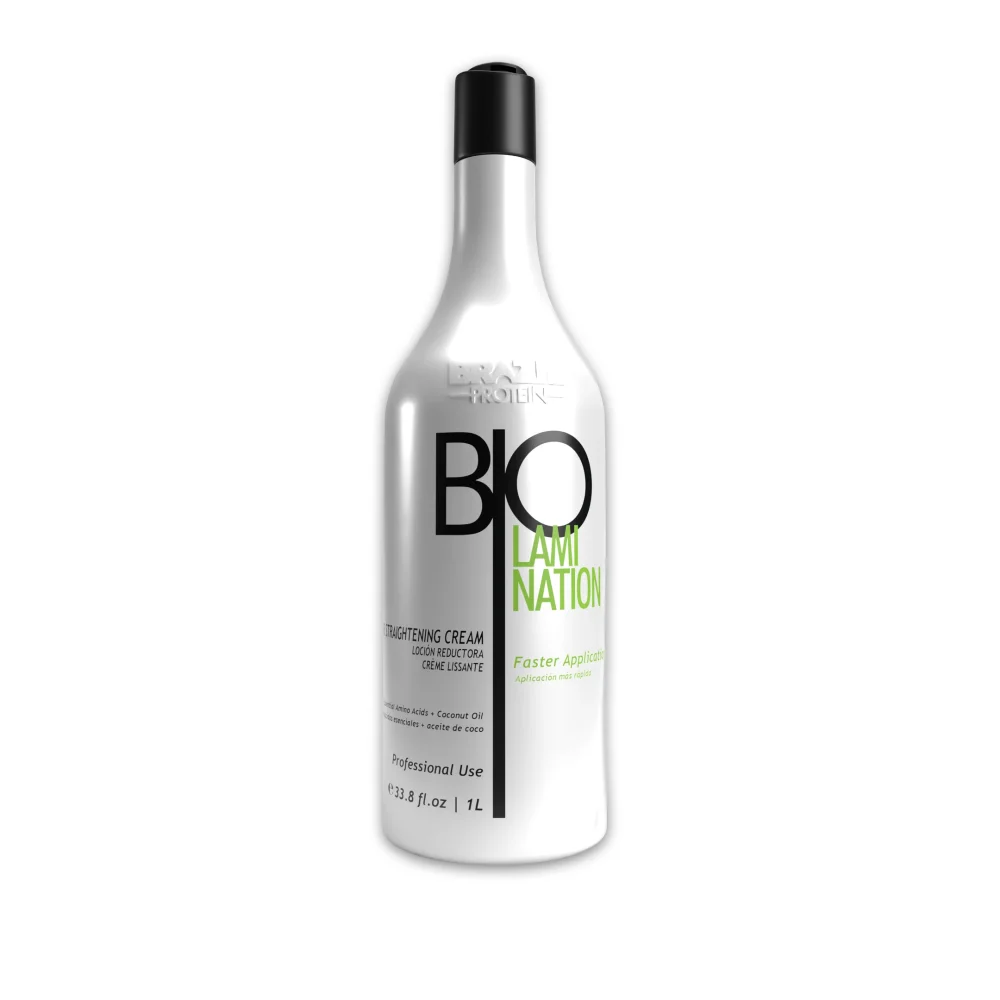
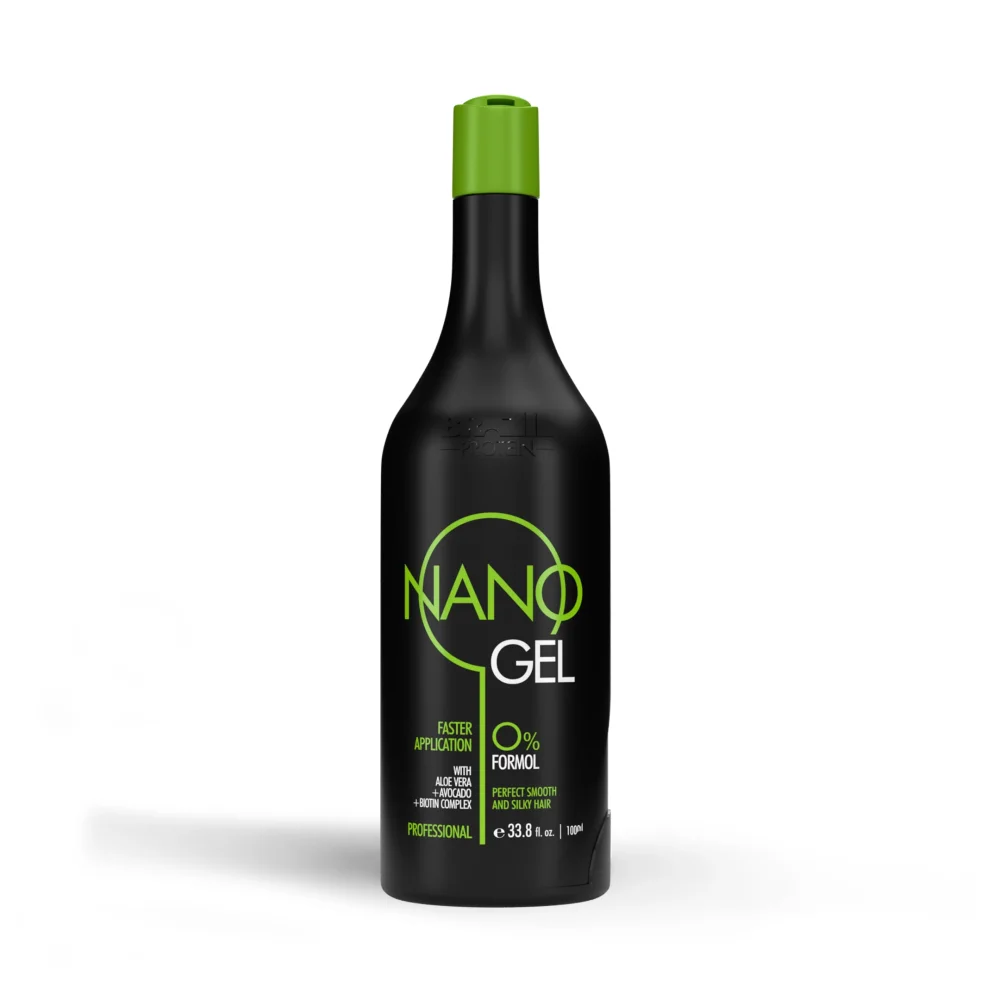
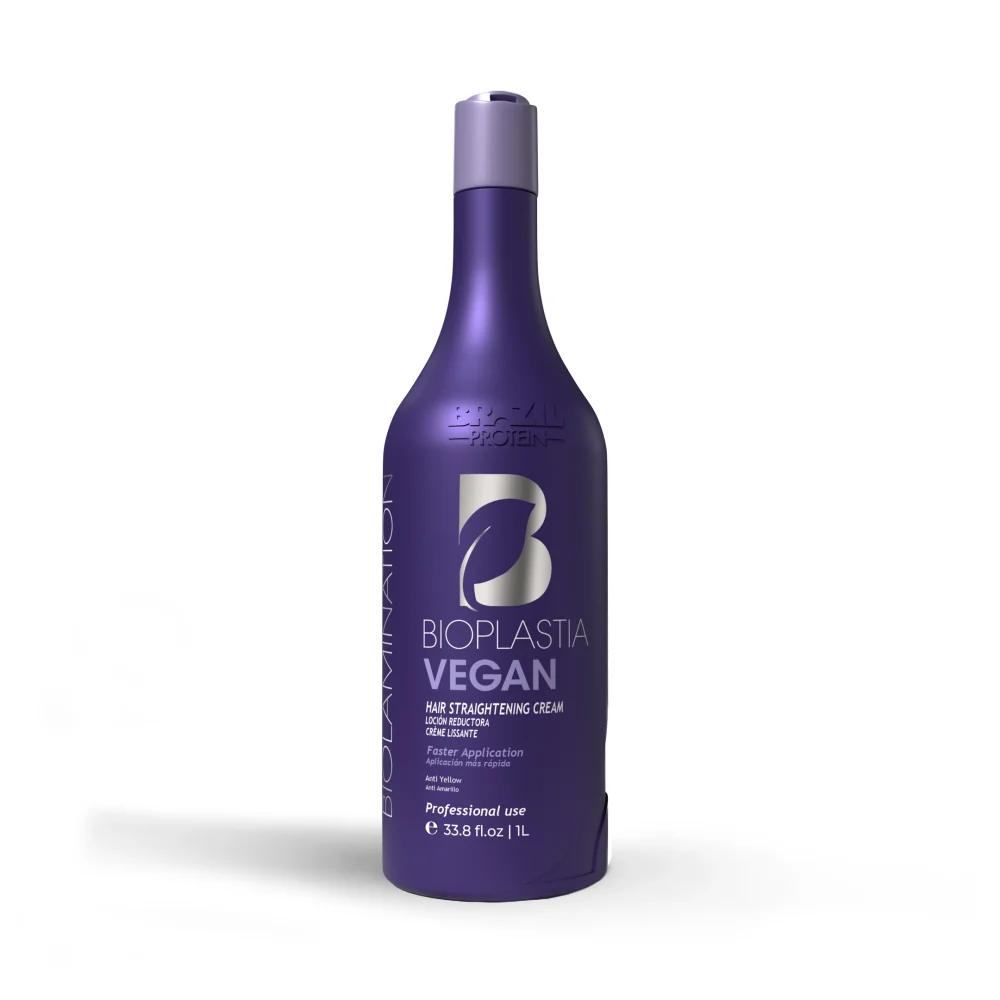
Bioplastia Vegan also carries CI 60730, a violet colourant, on its list, and its front prints "Anti Yellow". It is a smoothing cream, not a colour service.
Where do the three protocols differ?
In how they start and how long they stay on. The two creams go onto damp hair for 10 to 50 minutes and are then rinsed, dried and ironed; the gel goes onto unwashed hair for at least 40 minutes, then the hair is wetted, excess water removed and dried before the iron.
The rest of the chair is the same for all three: section, comb through, and decide at the strand how much volume comes out. All three packs are marked professional use. Bio Lamination and Bioplastia Vegan print a strand test before application; Nano Gel prints a strand test on chemically treated hair and a skin sensitivity test.
Which system do you book for which question?
The three differ on a handful of printed points. This is how those points translate into one of the three.
- A cream without a colourant Bio Lamination. Damp hair, 10 to 50 minutes, rinse, dry and iron thin strands at 204 C. Malic acid sits third on its list, cysteamine fourth.
- Applying to unwashed hair Nano Gel. Its directions apply it to unwashed hair and leave it at least 40 minutes; then the hair is wetted, excess water removed and dried before the iron. Aloe vera is printed on the front.
- A cream with a violet colourant Bioplastia Vegan. The same protocol as Bio Lamination, with CI 60730 on the list and "Anti Yellow" printed on the front.
- Damaged or very porous hair Our advice: treat porous hair first and smooth later, and run the strand test the pack prints before you commit.
What does a cysteamine smoothing not do?
It changes the shape of the hair, and that is exactly where its limits are.
- It is not a permanent relaxer. The regrowth comes in untreated.
- It is not a conditioning treatment. The oils and proteins on the lists sit beside the reducer, but the service itself is a change of shape.
- We do not call it gentler or safer than another route. There is research that found less cysteic acid in the cuticle after a cysteamine straightening than after a thioglycolate system [4], but that was a different product, with a neutralising step our packs do not have. A result like that does not transfer.
- It is not a home treatment. All three packs are marked professional use.
- It is not a fix for damaged hair. On porous or previously treated hair, we recommend treating the hair first and smoothing later.
If you want to know how this route compares with the other reducers on our shelf, that is in hair botox, keratin or protein. Formaldehyde in smoothing has its own page in our formaldehyde guide, and the plant tannin route is in taninoplastia explained.